What Happens If You Travel to the Schengen Area Without Insurance
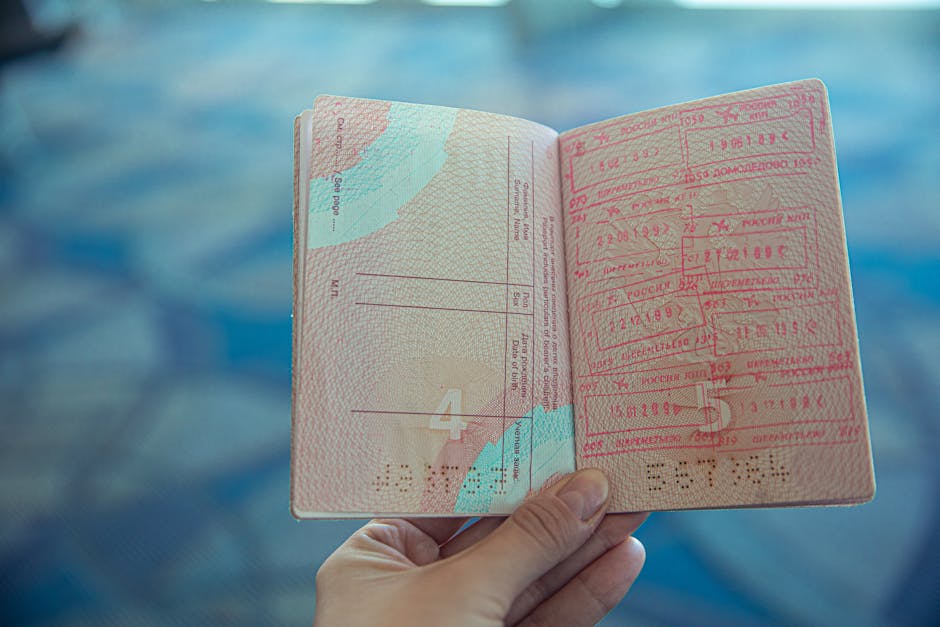
Two different situations get lumped together under this question, and they have different consequences. One is applying for a Schengen visa without the insurance certificate. The other is actually traveling, visa in hand or visa-exempt, without a valid policy covering you while you're there. Both carry real risk, just not the same kind.
At the visa application stage, the answer is simple: your application almost certainly won't be processed. Article 15 of the EU Visa Code requires proof of travel medical insurance covering at least €30,000, valid across all Schengen states, for the full length of your stay, including repatriation. Consulates check this document before anything else. Submit without it and the application is incomplete, and a policy that falls short of the requirement can also cause problems. That's a paperwork problem, not a medical one, and it's avoidable with a policy that meets the requirement. Our Schengen insurance requirements guide walks through exactly what Article 15 demands.
Once you have the visa, nothing physically stops you from letting the policy lapse, and visa-exempt travelers have no visa application, so no certificate is checked at that stage. The Article 15 requirement is a condition of the visa application. We have not found a general rule that has border guards check insurance on every entry, and practice varies by crossing, so do not count on not being asked. The bigger point is the cost of being uninsured if something happens.
The real exposure shows up if something actually happens. A fall on cobblestones in Lisbon, food poisoning in Athens or a car accident outside Munich can produce a hospital bill with no insurer to call. Emergency care is generally billed to a foreign visitor who has no cover, in a currency and a system you do not know. A €30,000 minimum sounds high until you see what an ICU stay or an evacuation flight costs, and that is the floor Article 15 sets.
For visa-exempt travelers, ETIAS is the planned pre-travel authorization, and it is not operating yet. We have not checked whether it will involve any insurance condition, so use the official ETIAS website for that, and see our ETIAS and Schengen insurance guide. Whatever the rules, the practical need for medical cover applies to anyone who could get sick or injured far from home.
If you are putting a trip together, it is faster to buy a policy that clears the bar than to guess at the risk. Compare the six Schengen insurance providers side by side in our comparison, or run your dates through the price estimator to see what a compliant policy costs for your age and trip length.
This information is general comparison guidance, not insurance advice. Coverage details and prices are set by the insurers and may change, verify the policy wording on the insurer's official website before purchasing.
Frequently asked questions
Nothing automatically stops you, and we have not found a general rule that makes border guards check insurance on every entry. Practice varies by crossing point. Traveling uninsured means you would be fully exposed if you needed medical care.
We have not checked whether ETIAS will involve any insurance condition. ETIAS is for visa-exempt travelers, it is not operating yet and the EU has not confirmed a launch date, so check the official ETIAS website.
The application is incomplete under Article 15 of the EU Visa Code and will typically be refused or returned for correction. A compliant certificate with at least €30,000 of cover across all Schengen states is part of the application.
You do. Emergency care is generally billed to a foreign visitor without cover, and costs such as intensive care or an evacuation flight can far exceed €30,000.